How to Sight AR-15
How to Sight AR-15
Table of Contents
How to Sight AR-15
Section 1: Understanding Your AR-15
When it comes to your AR-15, understanding its components and how they interact can significantly enhance your overall experience. Whether you're a seasoned shooter or just starting out, familiarity with your rifle is crucial for quick problem-solving and ensuring accuracy.
Section 2: Tools and Preparation
To properly sight in your AR-15, you'll need a few key tools and some preparation. First, ensure your sights are properly installed and functional. Next, gather your accessories, such as a scope or a reticle, and any necessary batteries or gas blocks.
It's also important to have a stable shooting surface and a reliable sight platform to help dial in your elevation and windage settings accurately.
Section 3: Sight Adjustment Basics
Sight adjustment in AR-15 rifles is a complex but rewarding process. The goal is to get your rifle ready for your specific shooting environment. Start by setting the correct base distance according to your rifle's specs. Adjust sight height and then windage settings based on your preferred hold-offs and environmental variables.
Section 4: Practical Tips During Shoot-Drills
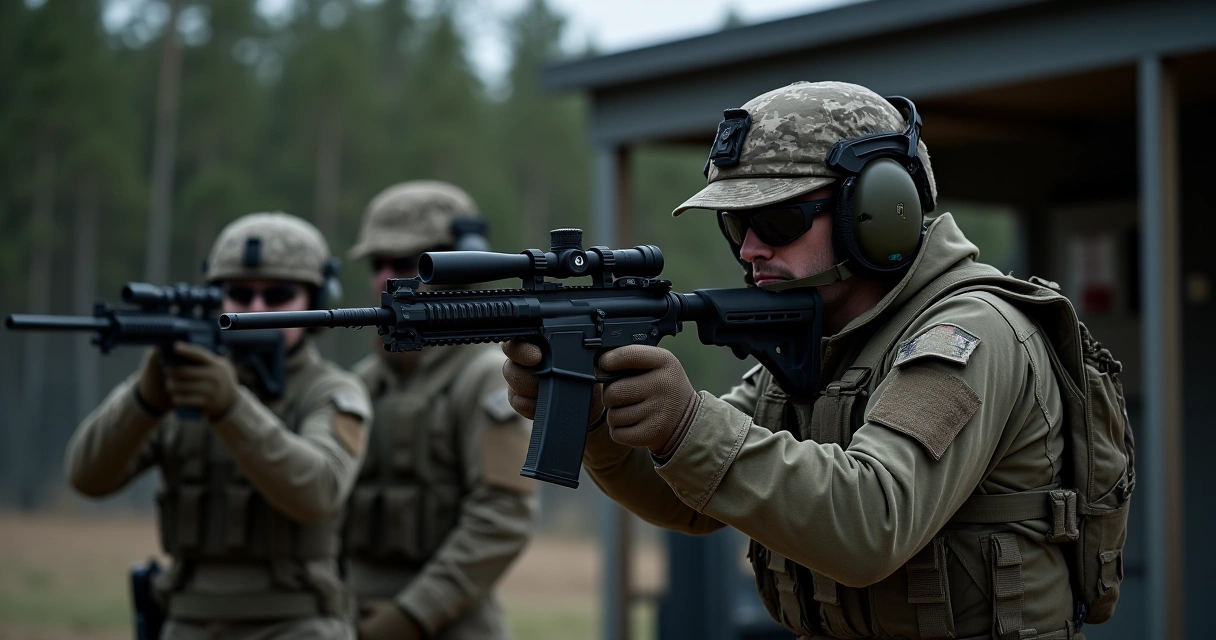
Once your AR-15 is sighted in, it's time to put your new sights to the test. Participating in shoot-drills is a great way to hone your skills and become more proficient. During these drills, pay close attention to your bullet paths and how your scope or reticle reacts to elevation and windage changes under various shooting conditions.
Section 5: Commonly Asked Questions
Frequently Asked Questions
Q: What is the best way to check if my AR-15 is sighted in?
A: You can double-check your rifle's alignment using a known distance with a standard firearm like an AR-15 equipped for 200-yard shooting. Adjust the sights until your aim lines up with the appropriate dot or crosshairs, indicating the correct alignment.
Q: How do I handle issues with the reticle when sighting in my AR-15?
A: If you're unsure about the functionality of your reticle, perform a dry-fire session checking the accuracy of your setup. Use targets or paper with known distances, and adjust as necessary. Remember, practice is key to fine-tuning your sighting-in process.
Q: What do I do if I have difficulty sighting my AR-15 on windy days?
A: On windy days, practice using fixed point targets like sandbags or a fixed bullseye. These provide a consistent point of reference, and adjusting for windage becomes more manageable. Gradually move smaller increments to get a feel for moving the reticle back and forth as needed.
See Also
🛒 Top Picks from This Article

CVLIFE EagleFeather S02 Multiple Reticle Red Dot and Magnifier Combo, 40mm...
$127.99
Check Price on Amazon →
Wildgeek Red Dot Sights for AR Rifle R15 Green Dot Sight Parallax-Free Scope...
$35.99
Check Price on Amazon →
MidTen Bore Sight Laser, 32 Adapters Professional Red/Green Laser Bore Sight...
$28.99
Check Price on Amazon →